Thursday, December 10 · 4:30 to 7:30pm · San Francisco

Demo Day and Winter Celebration

What does it take to build good judgment and taste in the age of AI? The fellows of the Bell AI Fellowship spent the fall finding out. On December 10 we show our work, share what we learned, and unveil what comes next.

In person $40, with approval; space is limited.
Bell AI Fellowship Winter 2026 Celebration
WhenThursday, December 10
4:30 to 7:30pm PT
WhereOutlier, the Payne Mansion
1409 Sutter Street, San Francisco
In person$40
Approval required; space is limited
RemoteFree
Demos, seminar lessons, and the 2027 program by video

What you'll see

The fall's work from all three paths, then the first look at 2027. Then we celebrate.

Schedule

  • 4:30Mingling
  • 5:00Demo Day, with demonstrations from the Homebrew AI Club
  • 6:00What we learned from the seminars, and the unveiling of the 2027 program
  • 6:30Drinks and light appetizers
  • 7:30Close

Who will be there

AI industry veterans and aspiring talent. And people from outside AI who think outside the box: artists, lawyers, journalists, and authors.

That mix is part of what this is all about. Anyone curious about how taste and judgment get built in the age of AI is welcome.

If you can, please join us in person. We discovered in the fellowship that there is no real substitute for being there. The mingling and the celebration are in person only.

Request an in-person ticket →
The venue

We are gathering at Outlier, a new AI mansion in one of San Francisco's grand Victorians: the Payne Mansion at 1409 Sutter Street.

It was built in 1881 with Gold Rush and Comstock silver money, survived the 1906 earthquake and fire, and is the last of the mansions that once lined this stretch of Sutter. A house built by one San Francisco boom is now home to the next. Come early and look around.

About the fellowship

“What machines need from us is discernment, judgment, and wisdom: deciding what is good, whether it was done right, and whether it should be done in the first place.”

That judgment used to be built on the job, in entry-level work and the mentorship that came with it. Those jobs are thinning out, and AI changes enough that experienced people are close to starting over too. Taste sounds like something you're born with. We think it can be trained, and we're testing how.

Read “Taste” is the wrong word, by Sunil Paul →

Three ways to train it

Judgment gets built by doing things and seeing what fails, by arguing with the ideas that came before, and by studying how people handled comparable moments. Each path takes one of those methods. All three ran this fall. The 2027 program is unveiled at Demo Day.

I · Practice

Homebrew AI Club

A working session for people running real AI agents, tools, and loops. Members demo their setups live, say what worked and what broke, and we dig into it together.

Advanced is for people who run agents, pipelines, or loops every day; demos go to full depth. Intermediate is for people who want to do much more than simple prompts.

Every other Thursday, 5:00–6:30pm PT
Advanced: six sessions, Oct 1 to Dec 17 · In person in SF, with remote seats
Intermediate: five sessions, Oct 8 to Dec 10 · By video, screen-shared demos
Ten to twenty seats per cohort · Dates on the schedule

See the club →
II · Principles

AI and Civilization

A deep-reading seminar on the texts today's AI arguments came from: Descartes, Turing, Hobbes, Wiener, Schelling. Short readings, sent ahead. Two hours at the table working out what they say.

No lecture and no expert at the head of the table. A moderator keeps the argument honest; everyone has read the same pages. No technical background needed; the readings are the only prerequisite.

Sundays 4–6pm PT
Six sessions, Sept 27 to Nov 1 · In person in SF
Eight to fifteen seats

See the seminar →
III · Precedent

How Society Shapes Technology

Cases from 120 years of technologies being sped up, redirected, or stopped, and why. Work through the record, then argue where AI's path will be decided.

Built for people who bring a field with them, whatever it is. The history is the shared ground; your expertise is the contribution.

Wednesdays 6:30–8:30pm PT
Six sessions, Sept 30 to Nov 4 · By video
Fixed cohort, same people every week

See the cases →

Not in San Francisco? Two cohorts meet by video: the club's Intermediate cohort on Thursdays and How Society Shapes Technology on Wednesday evenings. The Advanced club holds a few remote seats for experienced builders. Times are Pacific.

Mixed cohorts, on purpose. Past cohorts have included engineers and product people, AI researchers, UI designers, founders, lawyers, recruiters, executives, and students. What they had in common was the reason they came: to expand how they think, with the tools as the means. That is still the only entry requirement.

What we're reading

Others have worked on this question for a long time: whether judgment can be learned, which habits of mind build it, and what institutions a world with thinking machines will need. Three places to start.

What people say

Join us December 10

Live demos, what the seminars taught us, the first look at the 2027 program, and then a celebration at the Payne Mansion. If you can, please join us in person.

Thursday, December 10 · 4:30 to 7:30pm · 1409 Sutter Street, San Francisco · In person $40 with approval · Remote free

Who we are

A founder and investor who began as a congressional technology-policy analyst, and a product leader from Yahoo, Visa, and Verizon.

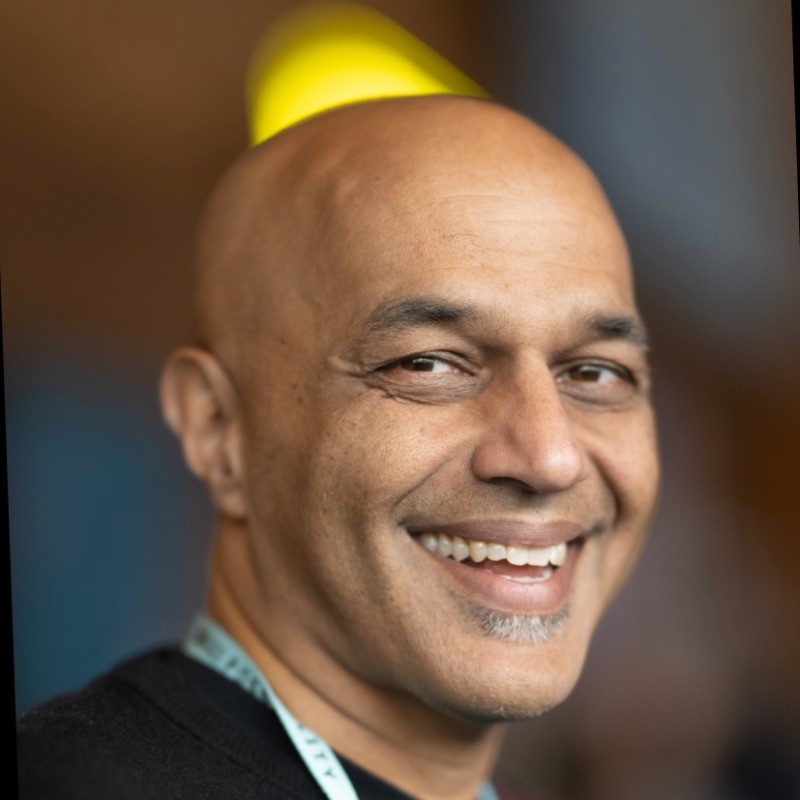
Sunil Paul

Sunil Paul

Serial entrepreneur and investor. Founded four venture-backed companies; investor or board member for five IPOs and four unicorns. Analyzed technology policy at the congressional Office of Technology Assessment and charted climate-tech trajectories with the Gigaton Throwdown. Co-founded Bell AI to build the kind of learning community he wishes existed when he was starting out.

LinkedIn →
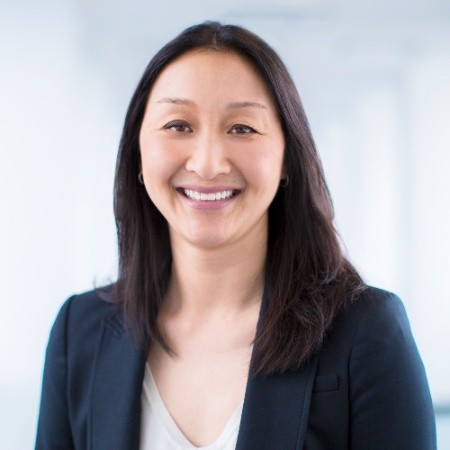
Tenni Theurer

Tenni Theurer

Product builder who has led $1.6B businesses and products reaching 500M+ users at Yahoo, Visa, and Verizon. Engineer turned product leader, GM, and founder. Co-founded Bell AI because good judgment about AI is built the way she has always worked: hands-on, with other people.

LinkedIn →